 Dr Rosie Riley
All patient identifiable information and some details have been changed.
I’m trying not to cry as I write this. My heart is aching and I feel deeply sad.
Coming to the end of a busy night shift in the Emergency Department, I’m the only doctor in “Minors” with the support of an Emergency Nurse Practitioner and a 7 hour wait. I’m knackered and ready to leave.
A young boy of 17 is next to be seen with a leg injury from playing football yesterday. He’s in a lot of pain and is unable to fully extend his knee. Possible bone or ligament injury, but I can’t be sure until I get an x-ray. I fully examine his joint, including his hip and ankle. The injury is localised to the knee alone, but I can’t see much bruising or swelling. His nerves and blood supply below the knee hadn’t been compromised.
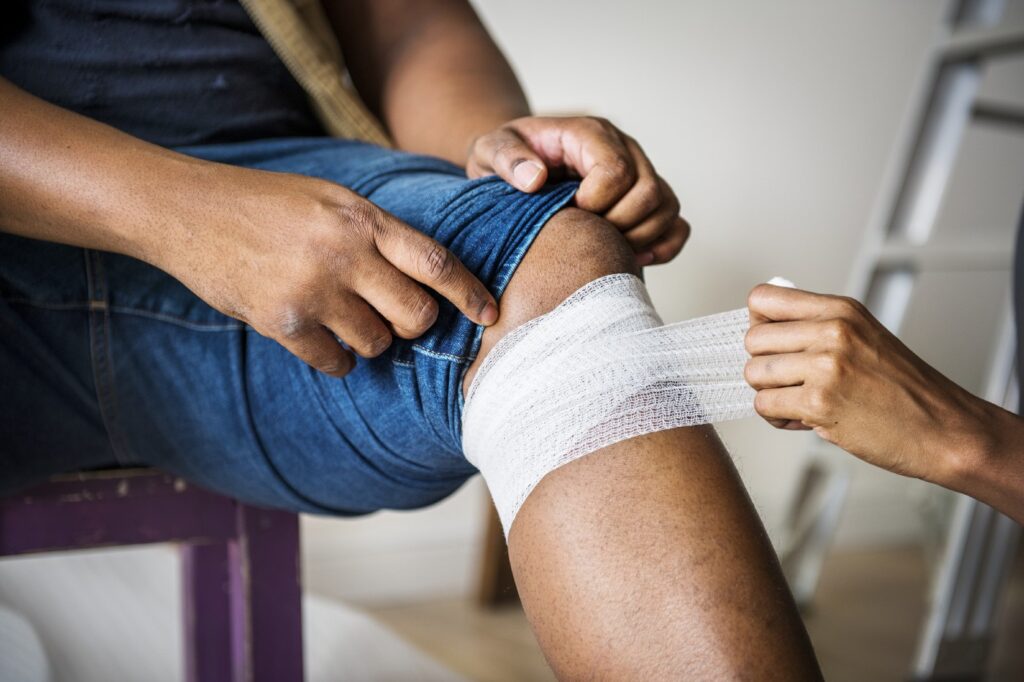
I ask the porter to take him to x-ray, whilst I finish sorting out a few scans, phone calls and discussions for the other patients I have on the go. Whilst documenting my findings, I overhear the nurses discussing him. They say he’s from Albania.
I instantly stop.
A young boy, barely an adult, alone in the Emergency Department in the middle of the night. I hadn’t registered any of this yet. The rush of the night shift, the volume of patients and the long wait had distracted me as it so often can. A very high number of victims of modern slavery and human trafficking identified in the UK come from Albania.
Once he’s back and I see no bony injury on the x-ray, I walk back with him into the consultation room. The pain is under control now that the codeine has kicked in, so I update him about the x-ray and the plan going forward.

“Whereabouts are you from? I can hear an accent” I say conversationally.
“Albania.”
“Who are you living with at the moment?” I’m curious and try to not give away my underlying concern.
He’s slightly timid, polite and honest in the way he speaks. Just like my 17 year old brother. He mentions that he came here to seek asylum and has been put up in council accommodation with two other young boys. He’s here alone, running away from “troubles” back home and wants to start a new life. He’s not allowed to work until he receives permission from the Home Office that they accept his asylum claim. He would then become a refugee.
I don’t know what happened to me at this point. I can’t explain it really, but I’ll try. I still feel the same way as I sit here writing. My heart is tied in a knot. I can still see his eyes and his face. It was like looking into the eyes of my little brother. Similar mannerisms. Similar way of speaking. Similar hopes and dreams. Similar childhood wishes and similar right to peace, education and a future. A right to reach his potential, surrounded by a loving nurturing family.
My heart broke in that moment. Maybe it was all becoming too personal. I couldn’t separate this. I couldn’t disconnect. I felt powerless to do anything about this. He’s here alone, running from any number of horrors that I could never imagine. In the face of violence, conflict and fear, he’s very much a child.
As the oldest of my siblings, I’m very used to this feeling. A visceral, gut reaction can take over me when they are upset, afraid, threatened; a desperate reactive instinct to protect. But I think there was another worry and a greater threat for this boy, that I couldn’t get away from.
What about those people out there, who would prey on a young Asylum seeker like him? Deceive him with lies and promises of work. Move him from place to place, take his documents, threaten him and beat him up. Force him to work on a construction site, a farm, a hand car wash, in a kitchen. 16 hours a day, six to seven days a week. No money, no freedom. They would tell him that the police don’t care, and that the lawyers are in their pockets. That the UK would deport him back home or arrest him. That he owes them money for paying for his accommodation and food and that he must work tirelessly to pay his debts. That they’ll kill his friends and his remaining family if he says anything or tells anyone.
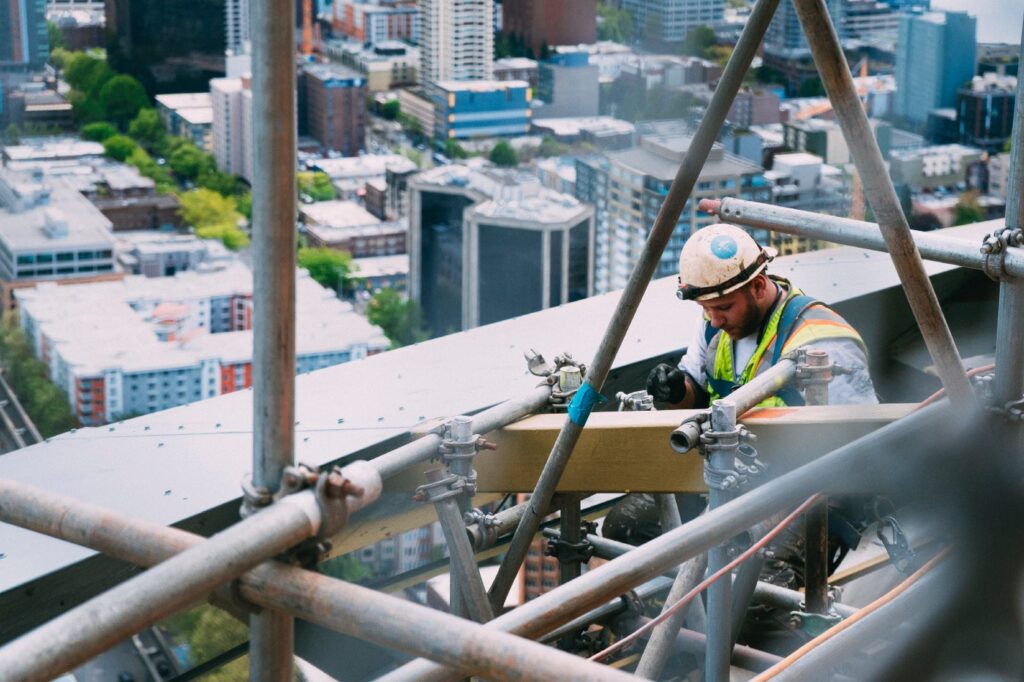
“OK, you need to listen to me.” Maybe I’m sounding too urgent. I don’t know how to be subjective with him anymore. Am I just his doctor? I’m trying desperately not to be what I felt; a protective older sister. “It sounds like you’re in the right place and you’re in the right process. But you must be so careful. Out there men and women will offer you a job. They will say they have work for you. They will offer you work on a farm, in a building site, in a restaurant or a car wash. Do not trust these people.”
I explain my worry for him. Hopefully enough to keep him alert and aware, hopefully not too much that he becomes fearful and afraid.
He just nods. When I stop, he tells me that he has heard of this before. He had heard how some Albanian teenagers had been treated like slaves.
I feel a small relief. He knows. I need to head upstairs to handover, and I explain that one of my seniors will come, re-review his x-ray and his knee. He thanks me for my help.
What happened to me? I can’t forget his face. He’s been one of the hardest patients to walked away from. Internally I’m pleading that he stays safe and protected.
But I’m also angry. Angry that the world sees him as a number, a statistic, someone to close the doors to. In creating a “hostile environment” we forget he is someone’s son, friend. Someone’s brother.